Mala Traditions
Mala Art with HeartMala Traditions
This page is offered as an educational overview intended to honor the cultural and spiritual traditions from which malas originate. Practices and interpretations vary across lineages and communities, and no single explanation can represent all traditions.
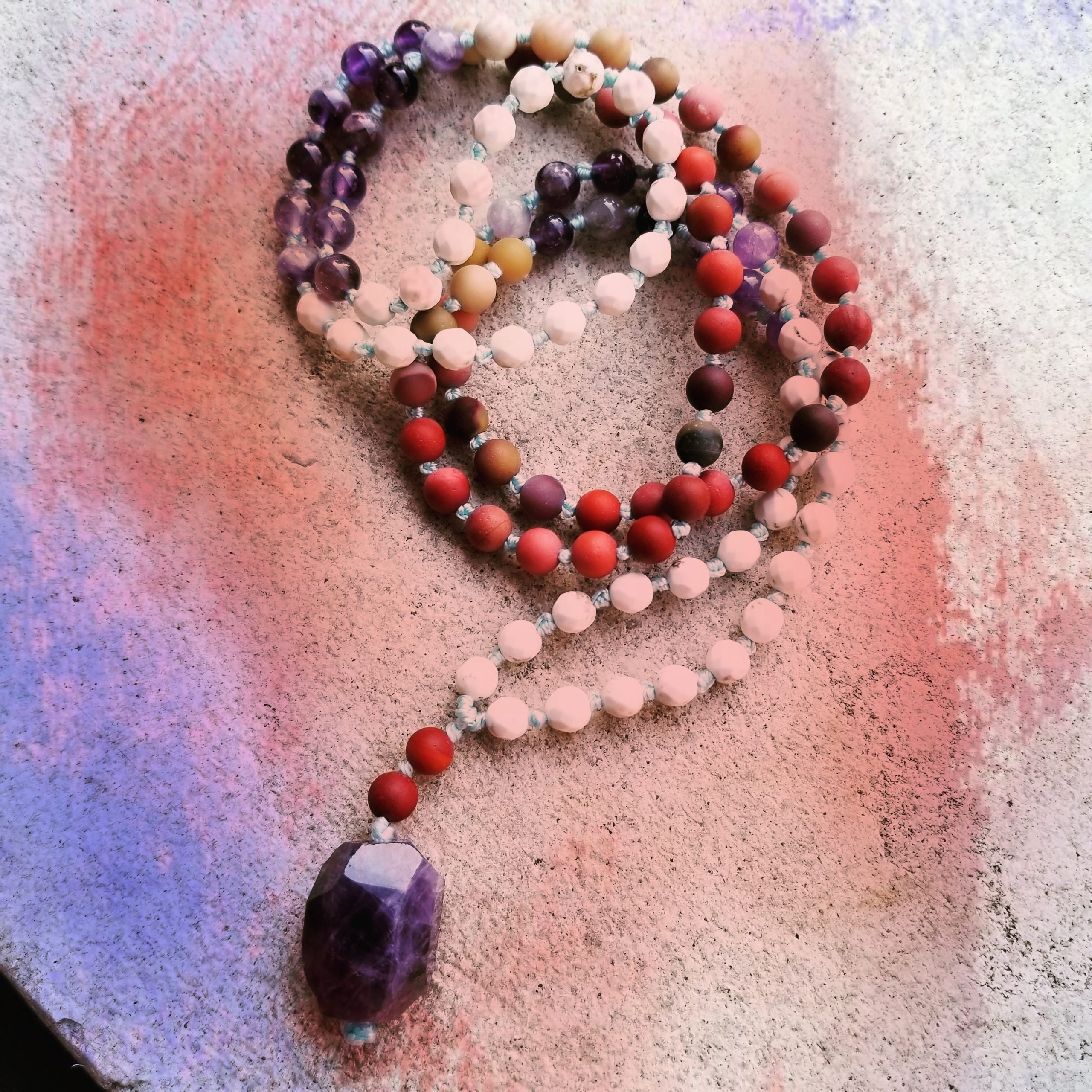
Malas are beaded prayer necklaces traditionally used as tools for meditation, reflection, and devotion. Across cultures and lineages, they support focus, repetition, and intention.
For many people, a mala becomes a quiet companion in practice, a tactile reminder of mindfulness, presence, and personal meaning.
This page is offered as an educational overview intended to honor the cultural and spiritual traditions from which malas originate. Practices and interpretations vary across lineages and communities.
What Is a Mala?
A mala is a traditional counting tool used to support meditation and contemplative practices. By moving bead by bead, the hands stay engaged while the mind settles, helping practitioners maintain focus and rhythm.
Malas may be used during meditation or worn as a personal reminder of intention and mindfulness throughout daily life.
Cultural & Historical Context
Malas (also called japa malas) originate in ancient India, where they have long been used in Hindu, Buddhist, and Jain traditions. As these traditions spread, prayer beads appeared in many cultures worldwide.
While forms and meanings differ across traditions, the shared purpose is repetition, remembrance, and focus. This overview does not replace lineage-based teaching and reflects only a general introduction.
What Is a Mantra?
A mantra is a repeated sound, word, or phrase used as a focus during meditation.
Traditionally, mantras may be spoken in Sanskrit, Pali, or Latin, depending on the tradition. Many modern practitioners also use affirmations or phrases in their native language, approaching them with care and respect.
Repetition helps anchor attention and can support insight over time.
The Structure of a Mala
A traditional mala typically consists of:
108 beads for counting repetitions
One larger bead, often called the guru bead
Half malas (54 beads) and quarter malas (27 beads) are also commonly used. Practices around how the guru bead is treated vary by tradition and lineage.
The Significance of 108
The number 108 holds symbolic meaning across several Dharmic traditions. Interpretations vary, but it is often associated with completeness, wholeness, and cosmological or linguistic symbolism.
Rather than having one fixed meaning, 108 is best understood as a layered and contextual symbol.
Choosing a Mala
Traditionally, a teacher may select a mala or mantra for a student. Outside of formal lineages, many people choose a mala intuitively, drawn to materials, colors, or designs that resonate personally.
A mala may mark intention, reflection, remembrance, or transition. There is no requirement to choose “correctly”—connection matters more than rules.
Materials Used in Malas
Historically, malas have been made from:
• Sacred woods
• Seeds
• Bone
• Stones and minerals
Material choices may carry cultural or symbolic meaning, but contemporary malas often also reflect personal aesthetics and accessibility.
How to Meditate With a Mala
Traditionally, a mala is used to count repetitions of a mantra or breath.
As you move bead by bead, repetition helps return attention to intention. One full round equals 108 repetitions. Many people also wear their mala as a reminder of mindfulness outside of meditation.
Practices vary widely, follow what feels respectful and sustainable for you.
Caring for Your Mala
Store your mala in a safe, clean place when not in use
Treat it with care and intention
Avoid sleeping with it around your neck or wrist
Do not force it over your wrist, as this can shorten its lifespan
Respectful handling helps preserve both the piece and its meaning.
If you feel drawn to working with a mala, choosing one that is meaningful and well-made is essential. You’re welcome to explore my designs or reach out with questions.

Meditation Exercises
Meditation is supported by many rich and time-honored traditions, but there is no single right way to practice. You don’t need to follow a specific form to experience its benefits. Allow curiosity and care to guide you.
Begin by listening inward. Take a breath, then another. Ask yourself what feels supportive in this moment: structure or openness, stillness or movement. Some days call for the grounding of established practices; others invite a more intuitive approach. Give yourself permission to explore both, gently.
You may also find that environment matters. Some people prefer guided or group meditations, while others value quiet moments alone, early in the morning, or at the end of the day. Experiment with different settings and rhythms, and notice what helps you feel present.
If you’d like to explore further, you can find additional meditation exercises [here].
This section is currently being updated.
Instructional video links will be added here as they become available.
The Process

Individuality
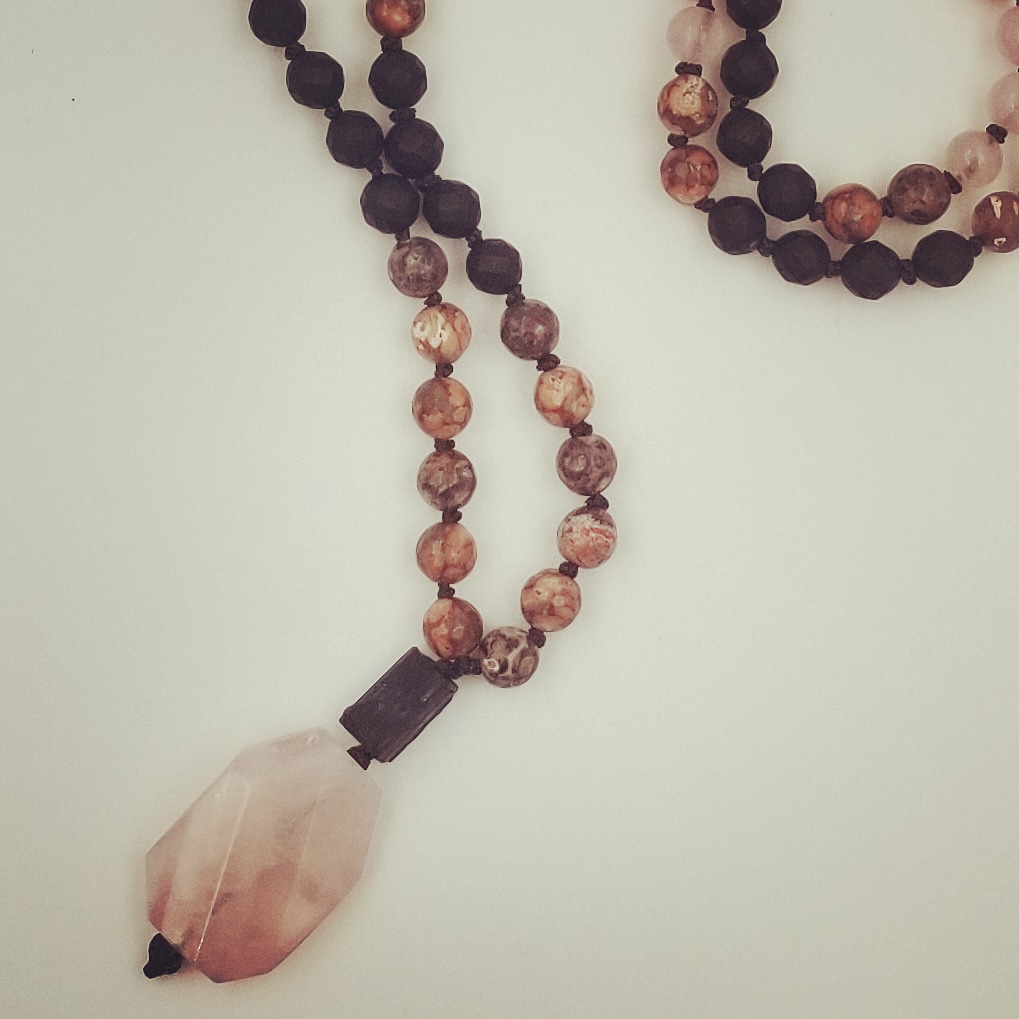
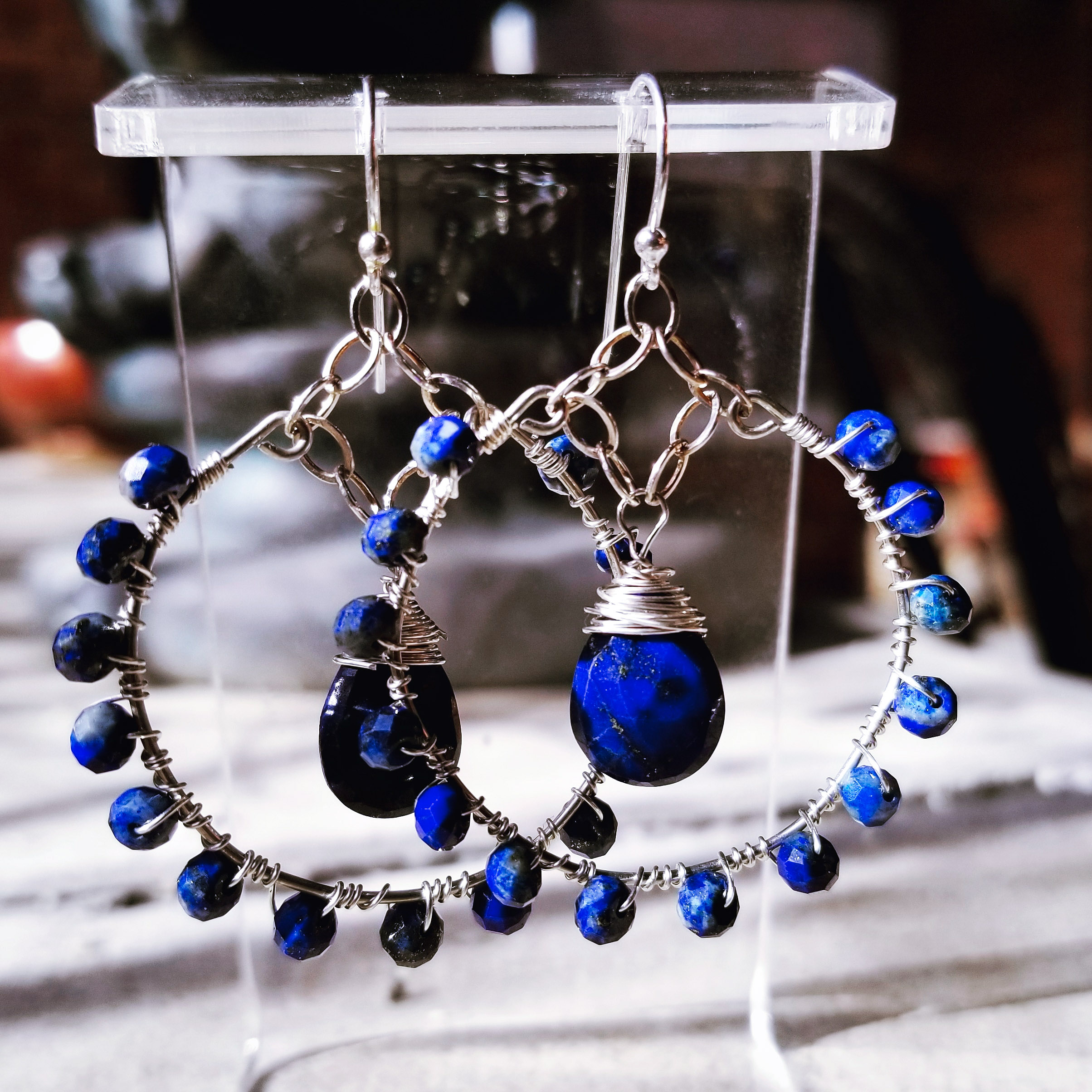
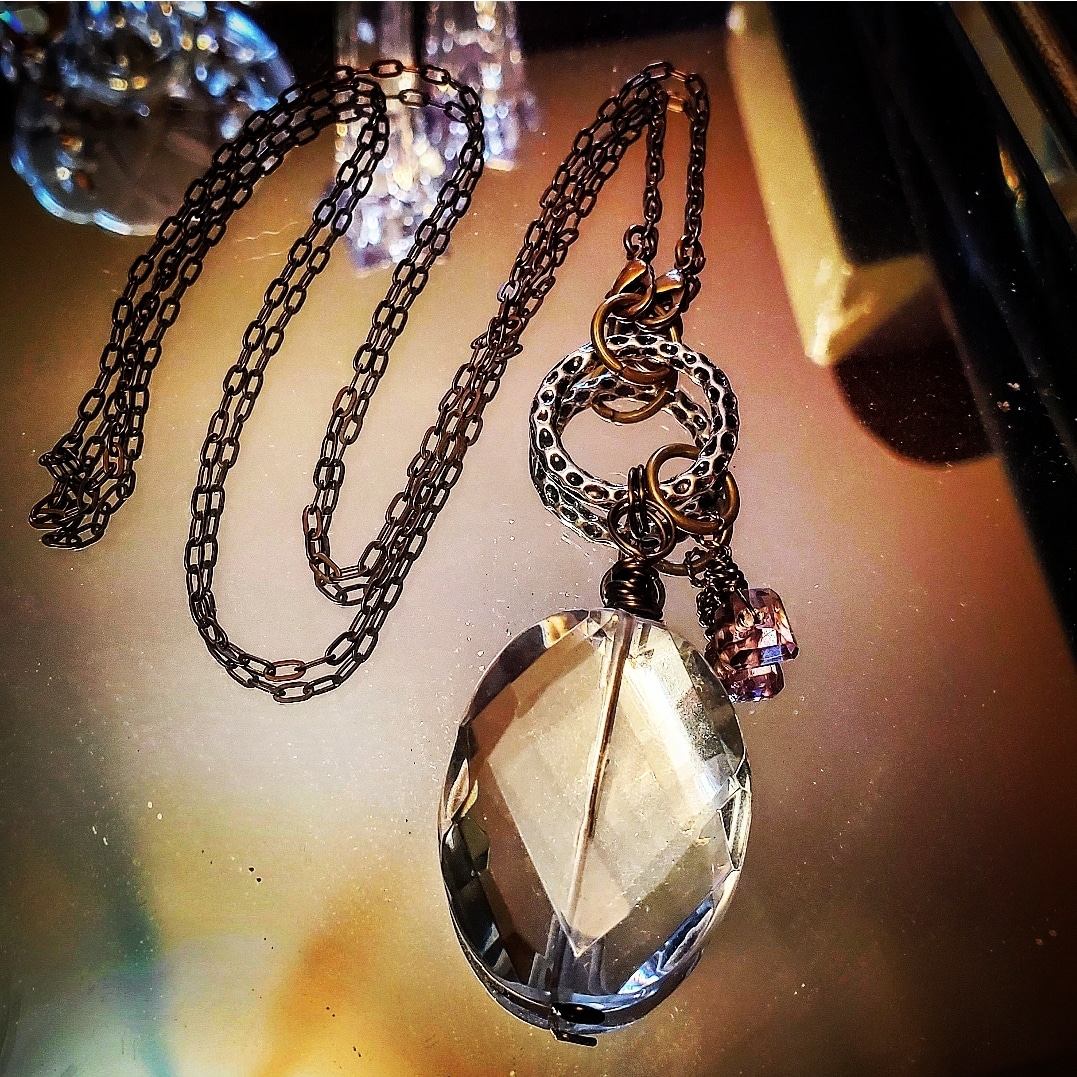
Teresa handcrafts each piece, making every design truly one of a kind.

Growth
Teresa is constantly integrating new innovative techniques.

Creativity
Teresa focuses on her creative process, making each piece creatively beautiful.
Looking for something uniquely you?
Thoughts? Questions? Comments? Please feel free to contact us.
We’d love to hear from you.